What to Check When Your Backdrop Order Arrives
The window to raise a problem on a wholesale delivery is short, and it closes quietly. Most disputes that go nowhere are not about whether something was wrong with the goods, but about whether the buyer can show it was wrong on arrival rather than after three events. Twenty minutes of structured inspection on the day the pallet lands is what makes the difference.
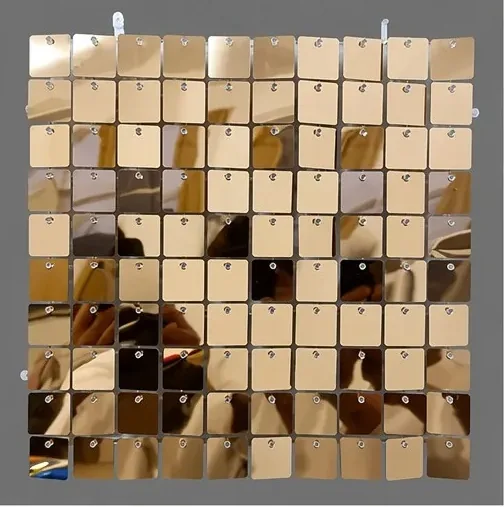
What should I check first when a backdrop order arrives?
Photograph the packaging before you open anything. Once cartons are cut open and stacked, you have lost the only evidence that distinguishes transit damage from a factory defect, and those two are handled by completely different parties.
Take pictures of the pallet as it comes off the vehicle, including any crushed corners, water staining or torn shrink wrap. If the outer packaging is visibly damaged, note it on the carrier's delivery paperwork before signing. A signature on a clean receipt makes a transit claim substantially harder to argue later.
Only then open the cartons. Work through one carton completely before starting the next, because a half-opened stack makes it impossible to tell which item came from where when you find a problem.
- Photograph the pallet before unwrapping, damage or not
- Annotate the delivery note if the outer packaging is compromised
- Open one carton at a time and keep contents grouped by carton
- Keep all packaging until the inspection is finished and signed off
How do I count a panel order against the packing list?
Count sets first, then spot-check panel counts inside two or three sets rather than counting every panel. Panels ship 24 to a set, so a shortfall is far more likely to be a missing set than a short-filled one.
This matters on volume orders because the arithmetic gets large quickly. An 8x8ft wall is 81 panels, which is 4 sets, and a buyer ordering a season's inventory across several colourways can be receiving well over a thousand panels. Counting each one is not a realistic use of an afternoon; counting sealed sets is.
Where full counting is worth the time is on the specific SKUs you plan to sell first. If a booking is already committed to a particular colour, count that colour properly and leave the rest at set level until you need it.
How much colour variation between panels is acceptable?
Compare panels from different sets under the light you actually work in, not warehouse fluorescents. Minor batch variation is normal in dyed and sequinned goods; what is not acceptable is visible difference between two panels that will sit next to each other in the same wall.
The practical test is to build a small section rather than hold two panels side by side. Lay out a three by three block using panels drawn from different sets and photograph it with a phone flash on. A camera exaggerates colour mismatch relative to the eye, which is useful here, because your client will be judging the wall through exactly that lens.
If you find variation, sort rather than reject. Group the matching panels into complete walls and keep the outliers as spares or for smaller sections. A batch that cannot fill one uniform wall is a genuine claim; a batch where the panels simply need sorting is not, and raising it as one damages the supplier relationship you will need next season.
What counts as damage worth claiming on a backdrop order?
Anything that stops an item being rented at full price. A bent clip on one panel out of a set is a spare-parts issue; a crease across a fabric backdrop, a torn mesh base or a punctured inflatable is a claim, because the item cannot go out to a client as sold.
The distinction that suppliers respond to is commercial rather than cosmetic. A scuff on the reverse of a panel that faces the wall does not affect what the client sees. A mark on the face of a flower wall costing between $129.00 and $179.00 does, and that is the argument to make.
Inflatables need their own check because the failure is invisible until tested. Inflate each mirror ball fully and leave it for an hour before signing off the delivery. A slow seam leak on an item in the $79.00 to $129.00 range will not show in the first five minutes, and it will show at the client's event.
- Claimable: creases on printed surfaces, torn mesh, punctures, seam leaks, unmatched dye lots
- Not claimable: reverse-side scuffs, minor clip damage where spares cover it, packaging marks
- Test every inflatable for an hour before accepting the consignment
- Check the face of every item that will be photographed at an event
How do I document a problem so the claim gets resolved?
Photograph the defect next to something that establishes scale and identity — the carton label, the SKU code, a tape measure. An isolated close-up of a tear proves a tear exists but not which item it came from or how large it is.
Send everything in one message rather than in a drip of follow-ups. A single email containing the order reference, the affected SKU codes, quantities affected, dated photographs and a clear statement of what you want resolved is answered far faster than a conversation that arrives in fragments over three days.
Say what outcome you want. Replacement of the affected units, a credit against the next order, or a discount on the current invoice are all reasonable and they are not equivalent. Suppliers can act on a specific request immediately; a message that only describes a problem generates a request for clarification and loses a week.
How should a first order differ from a repeat order on arrival?
Inspect a first order completely and a repeat order by exception. The first delivery from any supplier is establishing whether the catalogue description matches what actually ships, and that judgement is worth the full afternoon.
Our own catalogue runs to 79 SKUs across 8 categories with a minimum of 2 sets, which exists precisely so a buyer can inspect a small first order properly before committing to volume. Sampling has no value if the sample is not examined against the same standard the bulk order will be.
On repeat orders, inspect the SKUs that have changed and spot-check the rest. Where a colourway has been reordered to match existing stock, always compare the new delivery against a panel from the original batch rather than against the product photograph — batch matching is the single most common reason a repeat order disappoints.
Frequently asked questions
What should I do before opening a backdrop delivery?
Photograph the pallet as it comes off the vehicle and annotate the carrier's delivery note if the outer packaging is damaged. Signing a clean receipt makes a transit claim much harder to argue afterwards.
Do I need to count every panel in a bulk order?
No. Count sealed sets, which ship 24 panels each, then spot-check inside two or three. Count individual panels only on the specific colours you have already committed to a booking.
Is colour variation between sequin panels a defect?
Minor batch variation is normal. It is a defect when two panels that must sit in the same wall are visibly different. Build a small test block under your working light and photograph it with flash before deciding.
How long do I have to report damage on a wholesale order?
Inspect and report on the day of delivery wherever possible. The practical issue is evidence rather than a fixed deadline: once goods have been to an event, distinguishing supply defects from handling damage becomes very difficult.
Need a quote for your project? Send us your target quantity and destination port and we will come back with landed cost, not just unit price.